Season 3 of Thunderbolt Fantasy (Tōriken Yūki) continues to stake its declare as probably the most singular exhibits in trendy anime-adjacent storytelling. Mixing wuxia drama with gorgeously crafted bunraku-style puppetry, this installment follows Shāng Bù Huàn and his companions as they pursue the mysterious Seven Blasphemous Deaths — a quest that shortly veers into new political intrigue after they unexpectedly arrive on the Phoenix Mild Palace. In case you’ve adopted the collection earlier than, count on deeper character work, heightened stakes, and a number of the most emotionally resonant scenes the franchise has delivered.
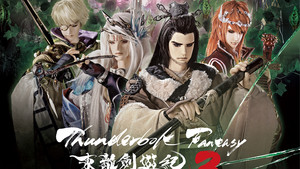
Thunderbolt Fantasy: Tōriken Yūki — Season 3 cowl
Why Season 3 Feels Completely different (and Acquainted)
Thunderbolt Fantasy has all the time balanced recent narrative concepts with a powerful throughline of recurring themes and characters. Season 3 distinguishes itself by leaning tougher into serialized storytelling — the hunt for the Seven Blasphemous Deaths stays central, however the detour to the Phoenix Mild Palace introduces new political layers, surprising reunions, and long-buried histories that shift the tone towards a extra consequential arc. The season rewards longtime viewers by constructing on prior mysteries whereas remaining accessible to newcomers who respect epic, character-driven wuxia.
Built-in Worldbuilding
One of many season’s strengths is the way it weaves beforehand talked about occasions and ideas into significant growth. Threads just like the Battle of the Fading Nightfall, which had existed largely as evocative background lore, lastly obtain fuller therapy — significantly via the attitude of returning characters comparable to Xíng Hài. The payoff is narrative depth that enhances emotional weight with out bogging down the momentum.
Character Focus: Coronary heart of the Story
At its core, Season 3 doubles down on character exploration. Shāng Bù Huàn’s stoic presence stays a central anchor, however the season provides extra room to Làng Wū Yáo and Xíng Hài, increasing their arcs and motivations. Làng’s trajectory particularly advantages from prolonged consideration; previous trauma and evolving loyalties are dealt with with nuance, and the elevated highlight transforms them from compelling aspect gamers into emotional drivers for the plot.
Returning Faces, New Conflicts
Acquainted foes and allies resurface in ways in which complicate the heroes’ journey. These reunions will not be merely fan service — they catalyze significant modifications in relationships and political alignments, serving to the season really feel like a pure, consequential step towards the collection’ eventual conclusion in later installments.
Puppetry, Manufacturing, and Visible Type
What actually units Thunderbolt Fantasy aside stays its manufacturing craftsmanship. The puppetry is the present’s signature: meticulously designed figures, lavish costumes, and choreography that interprets the dynamism of martial-arts cinema into a completely completely different medium. Season 3 continues the collection’ custom of beautiful sensible results enhanced with delicate digital touches, leading to struggle sequences and tableau that really feel each handcrafted and cinematic.
Struggle Choreography as Artwork
Each skirmish, from intimate exchanges to large-scale confrontations, is staged with a reverence for martial-arts spectacle. The choreography balances readability and aptitude — motion reads as exact and intentional, and the camerawork frames every beat to maximise emotional and visible affect. Whether or not you contemplate the puppet battles as live-action or one thing distinctive, they ship adrenaline and artistry in equal measure.
Soundtrack and Voice Work
Complementing the visuals, the season’s music and voice performances deepen environment and character. The rating underscores the cinematic sweep of the plot whereas voice actors imbue the puppet characters with stunning emotional resonance. These audio components assist bridge the hole between conventional drama and the present’s distinctive visible strategy.
Storytelling: Strengths and Limits
Season 3 shines as a result of it trusts the viewers with serialized payoffs and character-focused storytelling. If there’s any critique, it’s that the season generally feels, in tone and construction, like an intensification of what the franchise already does nicely relatively than a radical reinvention. That mentioned, “enterprise as regular” for this collection remains to be distinctive — and this season’s tighter narrative focus makes it probably the most gripping entries to this point.
Who Ought to Watch Season 3?
In case you love elevated manufacturing values, character-driven wuxia, and creative puppetry, Season 3 is a vital watch. Longtime followers will respect the payoff on long-developing mysteries and character arcs, whereas newcomers with an urge for food for visible originality and powerful storytelling will discover lots to admire. For readers desirous about studying extra in regards to the broader wuxia custom or the historical past and methods of theatrical puppetry, see sources on wuxia and puppetry for useful context.
Closing ideas
Thunderbolt Fantasy Season 3 proves {that a} collection can evolve with out shedding what made it distinctive. By deepening character arcs, increasing its mythos, and delivering a number of the franchise’s most memorable set items, this season stands as each a tribute to the present’s strengths and a strong step ahead towards the saga’s finale. In case you’ve adopted Shāng Bù Huàn and firm this far, Season 3 rewards persistence with richer storytelling and breathtaking manufacturing — a must-watch for followers of bold, superbly crafted style work.