“See You Tomorrow on the Meals Courtroom” is a compact slice-of-life anime that finds allure in on a regular basis dialog. It facilities on the after-school routine of two highschool ladies who meet on the mall meals courtroom to unwind, snack, and discuss by way of the small dramas of teenage life. The collection doesn’t purpose for grand stakes; as a substitute, it thrives on the intimacy of repeated, acquainted moments and the chemistry between its leads.
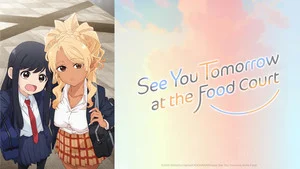
At college, Wada comes off as a quiet wealthy lady, whereas Yamamoto comes off as an intimidating Gyaru. Nevertheless, it seems that the 2 of them are shut buddies and are fairly talkative collectively once they meet up after college at their native meals courtroom.
Synopsis — Easy premise, regular heat
The present follows Wada and Yamamoto, two classmates who current contrasting pictures in school however reveal a snug, unguarded friendship once they meet on the meals courtroom. Episodes are structured as quick vignettes representing completely different days at their common desk. There’s no central battle driving a protracted arc — as a substitute, the narrative momentum comes from the movement of their conversations, flashbacks to highschool life, and the small, recurring particulars tied to their assembly spot.
Why the meals courtroom setting works
Settings that replicate actual, on a regular basis hangouts have a particular potential to evoke nostalgia, and this collection leans into that. The meals courtroom capabilities as each a bodily and emotional house: a impartial floor the place the ladies can swap off the varsity persona and be themselves. As a result of most scenes happen on the similar desk and site, the present depends on refined variations in dialogue, facial features, and digicam work to maintain the temper recent. If you happen to’ve ever cherished a constant meet-up place with buddies, the rhythm of those episodes will really feel very acquainted and oddly comforting.
Financial system of location, richness of element
Limiting the motion to a single recurring place is a artistic constraint the anime makes use of to emphasise character interplay over spectacle. Small visible adjustments — posters behind the desk, background chatter, and a recurring off-screen character who’s at all times talked about — turn out to be tiny delights that reward attentive viewers.
Characters and chemistry — opposites that match
The collection advantages most from the lead duo’s dynamic. Wada seems outwardly standard however is the extra expressive and outspoken of the 2. Yamamoto, with a gyaru aesthetic, is unexpectedly soft-spoken and sometimes the straight girl who grounds Wada’s flights of fancy. Their banter follows a traditional comedy pairing the place every function can flex, however the core of the present is their straightforward rapport.
Relatable moments over punchlines
Not each joke lands as a stomach chortle, however many scenes shift into small, quietly affecting moments: conversations about gacha pulls in cellular video games, dealing with awkward classmates, and chatting about one’s oshi. When the present leans into these relatable, private subjects, it reaches its most memorable beats — those that make you smile relatively than guffaw.
Path, visuals, and sound
Directing selections assist carry a modest premise. The collection makes use of dynamic cuts, playful framing, and expressive facial animation (particularly from Wada) to maintain dialogue-driven scenes visually partaking. These methods punctuate jokes and emotional beats without having intensive location adjustments. Musically, the soundtrack favors mild wind devices and flute-led background items meant to underscore the on a regular basis environment. Whereas unobtrusive, the music often drifts towards elevator-music territory; a bit extra ambient meals courtroom noise might need enhanced the sense of place for some viewers.
Strengths and limitations — mellow allure with a modest footprint
The anime’s strengths are its snug tone, character chemistry, and the best way it captures a common post-school ritual. That modesty can be its weak spot: by design, it doesn’t purpose to stay within the reminiscence lengthy after you end watching. Episodes are finest loved as relaxed background viewing relatively than the sort of collection you obsess over or rewatch for plot complexity. The present understands its area of interest and barely overstays its welcome, however its mundanity means it could be eclipsed by extra bold slice-of-life entries in the long term.
Who ought to watch this collection?
If you happen to take pleasure in character-driven slice-of-life anime with a gradual, comforting tempo, this present is a tremendous choose. Followers who recognize refined conversational comedy and the micro-rituals of youth will discover it rewarding. If you happen to favor excessive stakes, dramatic character arcs, or daring visible experimentation, this will really feel too light-weight. For viewers in search of background-friendly anime whereas they research, clear the home, or prepare dinner, it’s a reliable alternative.
Additional studying
For context on subjects steadily mentioned within the collection, see the entries on the slice-of-life style and gacha mechanics (exterior sources supplied as nofollow): Slice of life (Wikipedia), Gacha (video video games — Wikipedia).
Closing ideas
See You Tomorrow on the Meals Courtroom is an affectionate vignette-focused anime that excels when it leans into easy, on a regular basis truths. It received’t redefine the slice-of-life style, nevertheless it captures a comfortable, acquainted expertise with heat and a lightweight, constant humorousness. If you would like a brief, undemanding collection that seems like catching up with buddies over fries and milkshakes, this one matches that area of interest neatly.